Creating a comfortable and inviting atmosphere in your home begins with one key element: lighting. The right lighting not only brightens your rooms but also influences your mood, productivity, and overall well-being. Choosing comfortable home lighting involves more than just picking bulbs or fixtures; it’s about understanding how light interacts with your space and activities. In this post, we’ll explore practical tips to help you select lighting that suits your home perfectly.
Why Comfortable Home Lighting Matters
Lighting affects how we perceive a space. Harsh or dim lighting can cause eye strain and discomfort, while well-planned lighting promotes relaxation and enhances the look of your decor. Comfortable lighting is adaptable, energy-efficient, and designed to meet the needs of different rooms and times of day.
Understand the Types of Lighting
Before choosing your lights, it helps to understand the three main types of lighting that work together in any room:
1. Ambient Lighting
This is the general light that fills a room. It provides overall illumination so you can move around safely. Examples include ceiling fixtures, recessed lights, or wall-mounted lamps.
2. Task Lighting
Task lighting focuses on specific areas where activities happen, such as reading, cooking, or working. Desk lamps, under-cabinet kitchen lights, and vanity lights are typical task lights.
3. Accent Lighting
Accent lighting highlights particular features like artwork, architectural details, or plants. Think spotlights or LED strips that create visual interest.
Balancing these types ensures your lighting is comfortable and functional.
Tips for Choosing Comfortable Home Lighting
Consider the Purpose of Each Room
Different rooms have different lighting needs:
– Living rooms benefit from a mix of ambient and accent lighting for relaxation and socializing.
– Kitchens need bright task lighting, especially over counters and cooking areas.
– Bedrooms require soft, warm lighting to promote rest.
– Bathrooms should have bright, even lighting for grooming tasks.
Knowing each room’s purpose helps you pick appropriate lighting styles and brightness.
Choose the Right Light Bulbs
The type and quality of light bulbs greatly impact comfort:
– Color temperature: Measured in kelvins (K), this affects the light’s warmth. Warm light (2700K-3000K) feels cozy and relaxing, ideal for bedrooms and living rooms. Cooler light (3500K-5000K) is better suited for workspaces and kitchens.
– Brightness: Measured in lumens, brighter bulbs are necessary for task lighting, while dimmer bulbs work better for ambient and accent lighting.
– Bulb type: LED bulbs are energy-efficient, long-lasting, and available in various colors and brightness levels.
Use Dimmer Switches
Dimmers let you adjust light intensity to suit different times and moods. They also save energy and extend bulb life. Installing dimmer switches in living rooms, bedrooms, and dining areas can transform your space with ease.
Consider Natural Light
Maximizing natural light enhances comfort and reduces electricity use:
– Position work areas near windows.
– Use sheer curtains to diffuse sunlight.
– Avoid placing mirrors or glossy surfaces where glare might become uncomfortable.
Natural light changes throughout the day, so complement it with adjustable artificial lighting.
Layer Your Lighting
Layered lighting combines ambient, task, and accent light to create depth and flexibility. For instance, a living room might have recessed ceiling lights (ambient), a reading lamp (task), and wall sconces highlighting artwork (accent). This approach allows you to customize lighting based on activity and time.
Pay Attention to Fixture Design
The style and placement of lighting fixtures also influence comfort:
– Choose fixtures that diffuse light gently rather than harsh, direct light.
– Opt for lampshades or covers that soften the glow.
– Avoid lights that cause glare or create strong shadows.
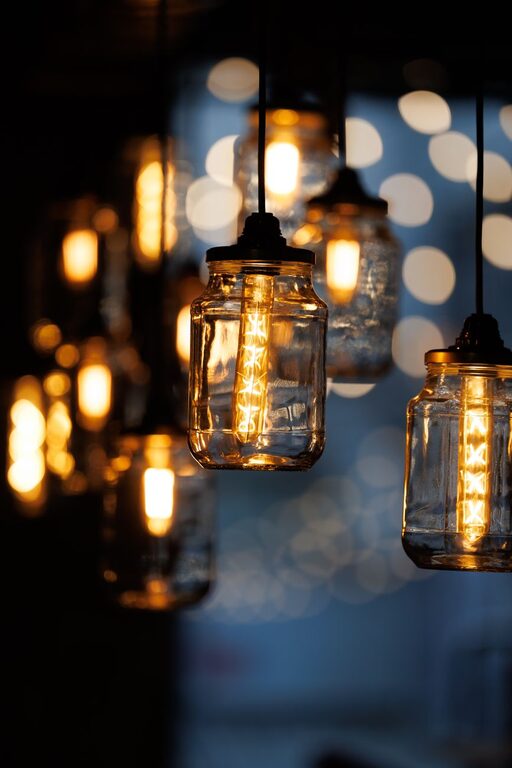
Fixtures should complement your decor while providing pleasant illumination.
Use Smart Lighting Solutions
Smart bulbs and lighting systems offer convenience and control. You can adjust brightness, color temperature, or even color with a smartphone app or voice assistant. This flexibility allows you to tailor lighting settings for different occasions effortlessly.
Maintain Proper Light Placement
Ensure lights are positioned to minimize shadows and eye strain:
– Place task lights directly over or beside work areas.
– Avoid overhead lights that shine directly into eyes.
– Use multiple light sources rather than a single bright light.
Proper placement improves comfort and usability.
Additional Practical Tips
– Match lighting with flooring and wall colors: Darker colors absorb light, so brighter lighting might be necessary.
– Replace old bulbs regularly: Dim or flickering bulbs can cause strain.
– Test lighting before buying: Bring samples home or test bulbs in your fixtures to see how they look.
– Balance energy efficiency with comfort: While LED bulbs save energy, pick the color temperature and brightness that feel best to you.
Conclusion
Choosing comfortable home lighting is a blend of understanding your space, lifestyle, and preferences. By considering the type of lighting, bulb characteristics, placement, and incorporating layers, you can create a home environment that feels welcoming and well-lit. Remember to include natural light and modern controls to increase both comfort and convenience. With the right lighting, your home can become a brighter, more comfortable place to live.
—
Feel free to experiment with these tips and find a lighting setup that works best for you—it’s a simple change that can make a big difference!
About the Author